calendar

If you're seeking a way to share your knowledge with a wide public, then you've probably noticed that there are eCourses that cover all things from art and craft to coding a website. But what is an eCourse? And how is it different from teaching in a classroom? Read on to find out.
What is an electronic course?
A eCourse (also known as an online course or online training) is a way to allow someone to impart their knowledge to others by using online learning methods like video, audio or even e-books.
What can eCourses use?
The online training is applicable to any subject, whether it's cakes, music, film editing and commercial. If people want to learn about something, it could more than likely be the subject of an online course.
Electronic Courses in comparison to. the classroom
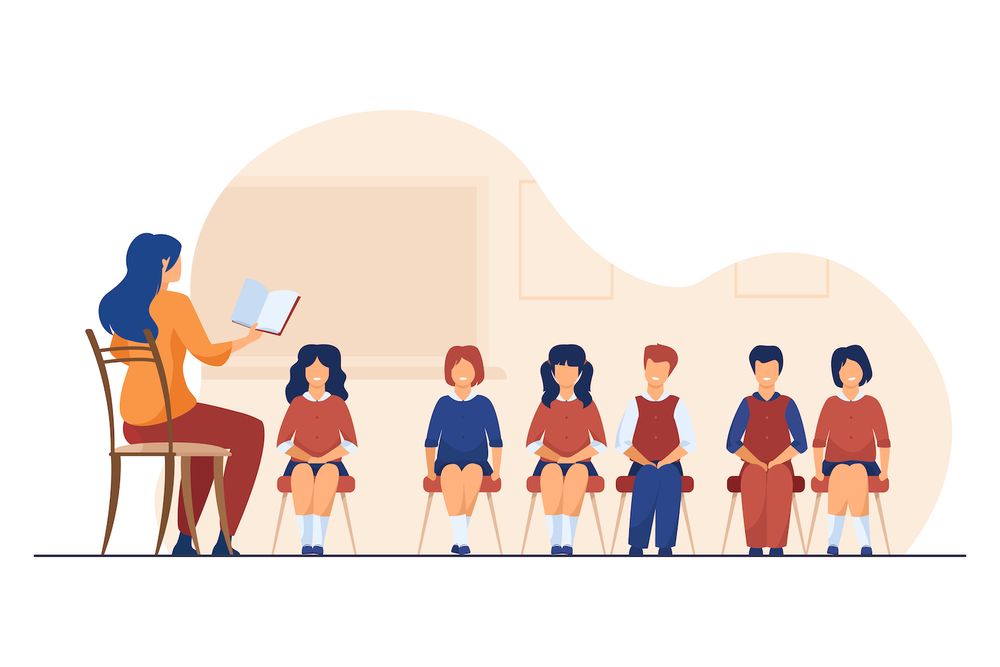
Online courses provide several advantages over conventional classroom classes. While courses taught in-person inside a class require the instructor and the students to be physically present in the same space in the same room Online courses enable students all around the world to learn from the comfort of their homes, offices or any other location where they are connected to the internet. Online training means no travel time as well as in certain instances online courses are accessible on demand so students have the flexibility to learn on their schedule as well as instructors aren't required to schedule their day in accordance with specific time slots.
Plus, because eCourses are location-independent, they can attract a broader segment of students than a course taught locally. Students are also able to learn from instructors around the globe, and instructors are able to impart their expertise worldwide.
What is the reason eCourses are in such high demand?
Online education is becoming more mainstream and the technology that underpins online learning improves, online courses have become more popular. Skill building--whether to improve your professional or personal life has become increasingly appealing for people who wish to be expert in their area and the flexibility of eCourses makes this possible.
Common Types of E-Courses
- On-demand eCourses: Training programs that are on-demand don't need the student or instructor to participate in a certain day or at a specific date or. The instructor creates course content and publishes it to the student's schedule. These could include instructional videos, audio recordings or worksheets, ebooks, written tutorials, or an amalgamation of formats. The eCourse may have the instructor might be available for questions or feedback. In some instances, the learning could be entirely self-guided not having any contact with the instructor.
- Virtual live e-Courses: Some eCourses are available online and include an element of real-time that is made possible by Zoom video-conferencing live chatfeature, Facebook Groups, or a Google Hangouts. This is a higher-touch method of learning and interaction with your instructor or fellow students. The most important thing to bear to keep in mind when considering live classes is that they can be hard to coordinate because of the students' schedules or different times zones. But, having direct contact with your students is worth the effort, as it can reduce churn.
Creators with Successful eCourses
At , we've experienced the success of eCourses on the ground. Here are some examples of instructors who have created successful classes that have a membership component:
- Fine-art portrait photographer Sue Bryce created Sue Bryce Education which is a group that includes thousands of photographers from around all over the world who learn to develop and build a lucrative portrait photography business.
Reasons to create an online course to promote your company
- Increase customer loyalty Members who've interacted with you through an online course could be more likely to stick with your membership program once they've engaged with you and experienced the benefits of what you have to offer in person. That's where live virtual activities can help improve the engagement of your customers.
- Position yourself as an expert in your field: Teaching an educational course demonstrates a degree of competency in your field. This can help pave your way for other opportunities such as media interviews, speaking engagements, or partnerships with other industry leaders. After you've completed your course, some members may still choose to hire you to complete what you've instructed them how to do, because they see you as a leader in that space.
- Create upselling opportunities: Members who complete the educational program successfully could want to purchase additional more expensive products such as mastermind groups, in-person retreats, or additional eCourses.
How to earn passive income by e-learning
Training courses online which can be downloaded on demand create content creators with revenue streams that are passive. After the content for the course is developed, the instructor may spend some time answering questions regarding the course content. However, self-guided online courses can bring in sales again and again. This approach is much better than instructing an in-person class or giving personal training.